Website basics
What to Put on a Tradie Website: 12 Things That Win the Call
Short answer: a tradie website has one job, which is to get a stranger to call you. To do that it needs to show, within a few seconds on a phone, what you do, where you work, that you're qualified and trusted, and how to contact you in one tap. Here are the 12 things that make that happen, in order of importance.
1. A tap-to-call phone number at the top of every page
Most people looking for a tradie are on their phone, often with a problem that needs fixing now. Your number should be at the top of every page and start a call when tapped. If they have to hunt for it, or copy it out of a paragraph, many won't bother.
2. A headline that says what you do and where
"Quality you can trust" tells a visitor nothing. "Licensed electrician in Hamilton and Cambridge" tells them they're in the right place, and it tells Google too. Put your trade and your main area in the first line people see.
3. A page for each main service
One "Services" page with a list of bullet points won't rank for much. A separate page for "Heat pump installation", "Switchboard upgrades" or "Bathroom renovations" gives Google something specific to show when someone searches for exactly that, and gives the customer the detail they're after.
4. The suburbs and towns you cover
List the areas you work, by name. Better still, give your main areas their own pages with genuinely useful local detail. We cover how to do that without it looking spammy in our local SEO guide for tradies.
5. Your licence or registration details
This is the one most tradie websites miss, and Kiwi homeowners increasingly check it. If your trade is licensed or registered, show it clearly and link to the public register:
- Builders: your Licensed Building Practitioner (LBP) number and licence class. For residential building work of $30,000 or more (incl. GST), the Building Act requires a written contract and set disclosure information, so saying "we provide written contracts" is a trust signal too.
- Electricians: your Electrical Workers Registration Board (EWRB) registration, and that you issue a Certificate of Compliance (CoC) for prescribed electrical work.
- Plumbers, gasfitters and drainlayers: your Plumbers, Gasfitters and Drainlayers Board (PGDB) registration and licence.
- Memberships: Master Builders, Master Plumbers, Master Electricians, Registered Master Painters and similar, only if you're a current member.
6. Real photos of your work
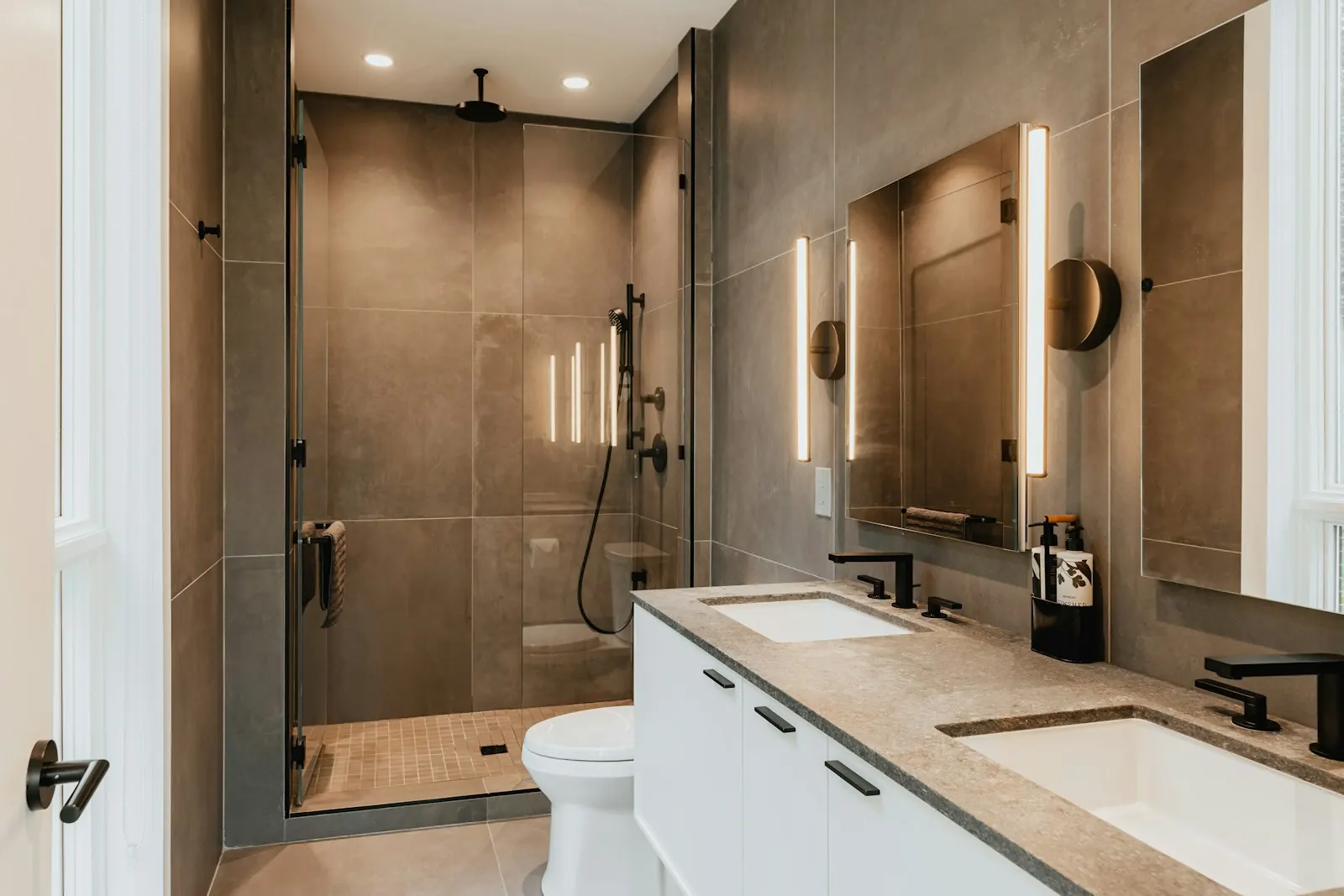
Stock photos of smiling models in hard hats do more harm than good. Customers are choosing a person, and they want to see your work. Before-and-after pairs are the most persuasive thing you can show. See our guide to shooting before and after photos on your phone.
7. Reviews from real customers
Show your Google rating and a few written reviews, with first names and the suburb or type of job. Reviews on your own site reassure the customer at the moment they're deciding. Keep them real: never make one up, and never tidy one up so much it says something the customer didn't.
Built in from day one
Every Ted site ships with tap-to-call, your services and areas, your real Google rating, before-and-after job photos and a quote form that takes photos. Pro adds a page for each suburb you work.
8. Who you are
A short "About" section with a photo of you or your team, how long you've been in the trade, and why you do it. People let you into their home. They want to know who's turning up.
9. A short quote form that takes photos
Plenty of customers would rather send a message at 9pm than ring. Keep the form short: name, number, suburb, what the job is, and an option to attach photos. Photos save you a wasted site visit and let you quote faster. Test it yourself every few months. A broken form is an invisible leak.
10. A guide to pricing and how you work
You don't need a price list. But explaining what affects the cost, whether you charge for quotes or call-outs, how soon you can usually start, and what happens after they get in touch removes a lot of hesitation. It also filters out people who were never going to book.

11. Proper business details
Your full business name, your NZBN or company number if you have one, the area you're based in, and an email address on your own domain ([email protected] looks far more established than a Gmail address). If your site collects enquiries, add a short privacy statement. The Privacy Act 2020 applies to small businesses too.
12. Fast and easy on a phone
Test your site on your own phone, on mobile data, not the office wifi. It should load in a couple of seconds, the text should be readable without zooming, and every button should be easy to hit with a thumb. You can check the speed for free with Google's PageSpeed Insights.
What to leave off
- Claims you can't back up, such as "best in Auckland" or guarantees you don't actually offer.
- Pop-ups that cover the phone number.
- Auto-playing video and slideshows that slow the page down.
- Out-of-date info: an old phone number, a 2019 copyright line, or a service you no longer do.
Rather we just built it?
Tell Ted your trade, the suburbs you work and your number. We build the site, you approve it before it goes live. $0 to build, from $39.95 a month incl. GST.
Frequently asked questions
What pages does a tradie website need?
At minimum: a home page that says what you do and where, a page for each main service, a page or section for the areas you cover, an about page that shows who you are, your reviews, some examples of your work, and a contact or quote page. Add a privacy policy if you collect enquiries through a form.
Should I put my licence number on my website?
Yes, if your trade is licensed or registered. Homeowners increasingly check the LBP register, the EWRB register or the PGDB register before hiring. Showing your number, with a link to the public register, removes a reason to hesitate.
Should tradies put prices on their website?
Exact prices rarely work because every job is different, but a guide helps. Explain what affects the cost, give typical ranges for common jobs if you are comfortable, and mention whether you charge for quotes or call-outs. It filters out tyre-kickers and builds trust with the rest.
How many photos should a tradie website have?
Enough to prove you do good work in the areas you advertise. Aim for at least six to ten real job photos, ideally before-and-after pairs, plus a photo of you or your team. Real phone photos beat stock photos every time.
Does a tradie website need a contact form or just a phone number?
Both. Many customers will tap to call, but plenty would rather send a quick message at night or while at work. A short quote form that lets them attach photos of the job catches those enquiries and saves you a site visit to understand the job.